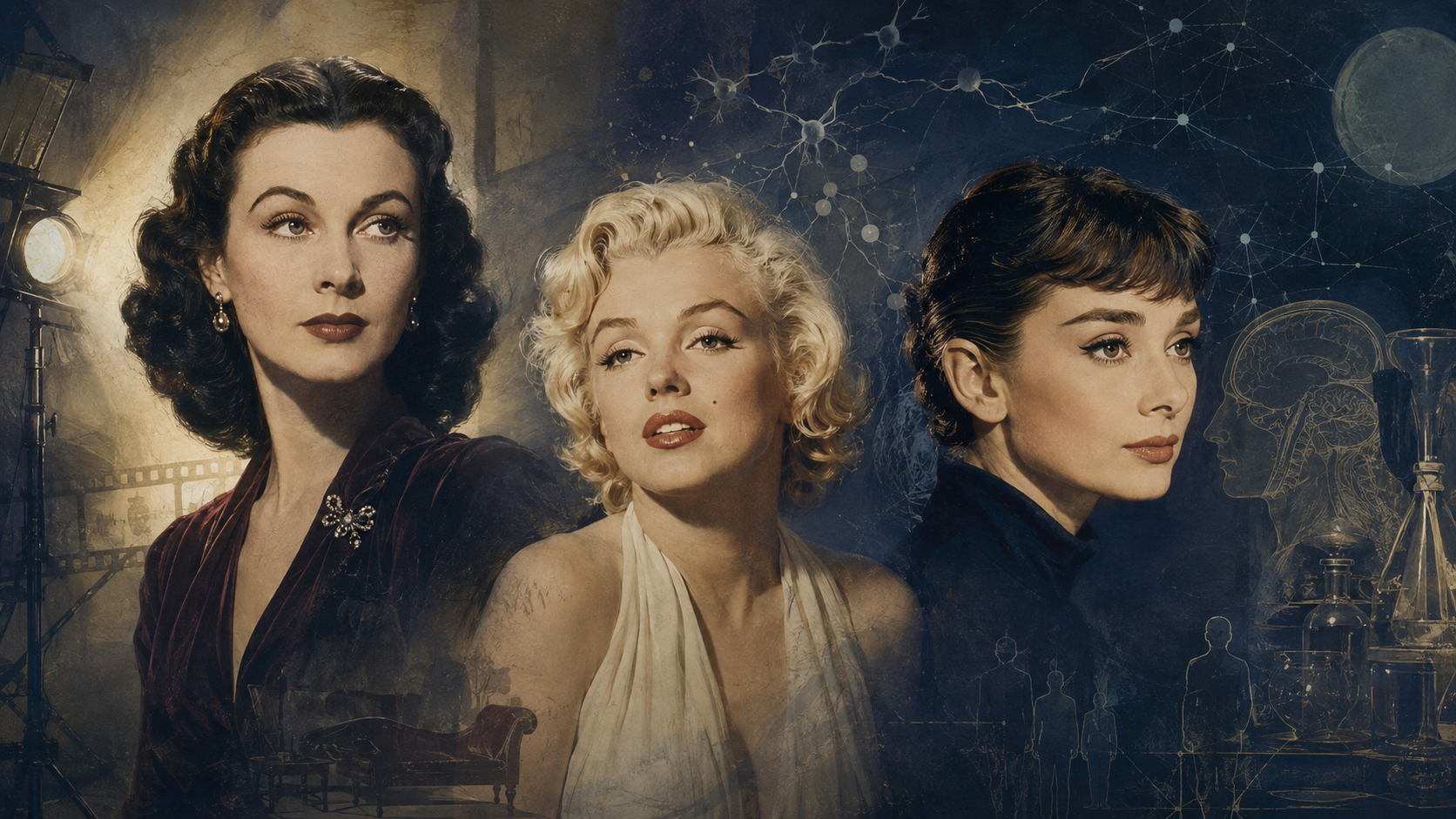
LIVES · BEAUTY AND THE MIND · LIFE
Marilyn Monroe1926–1962
Loved by millions, yet still searching for security.
Marilyn Monroe was born Norma Jeane Mortenson. The adoration of millions could not erase the insecurity left by a childhood of repeated displacement, and fame could not reproduce the continuity of care she had lacked as a child.
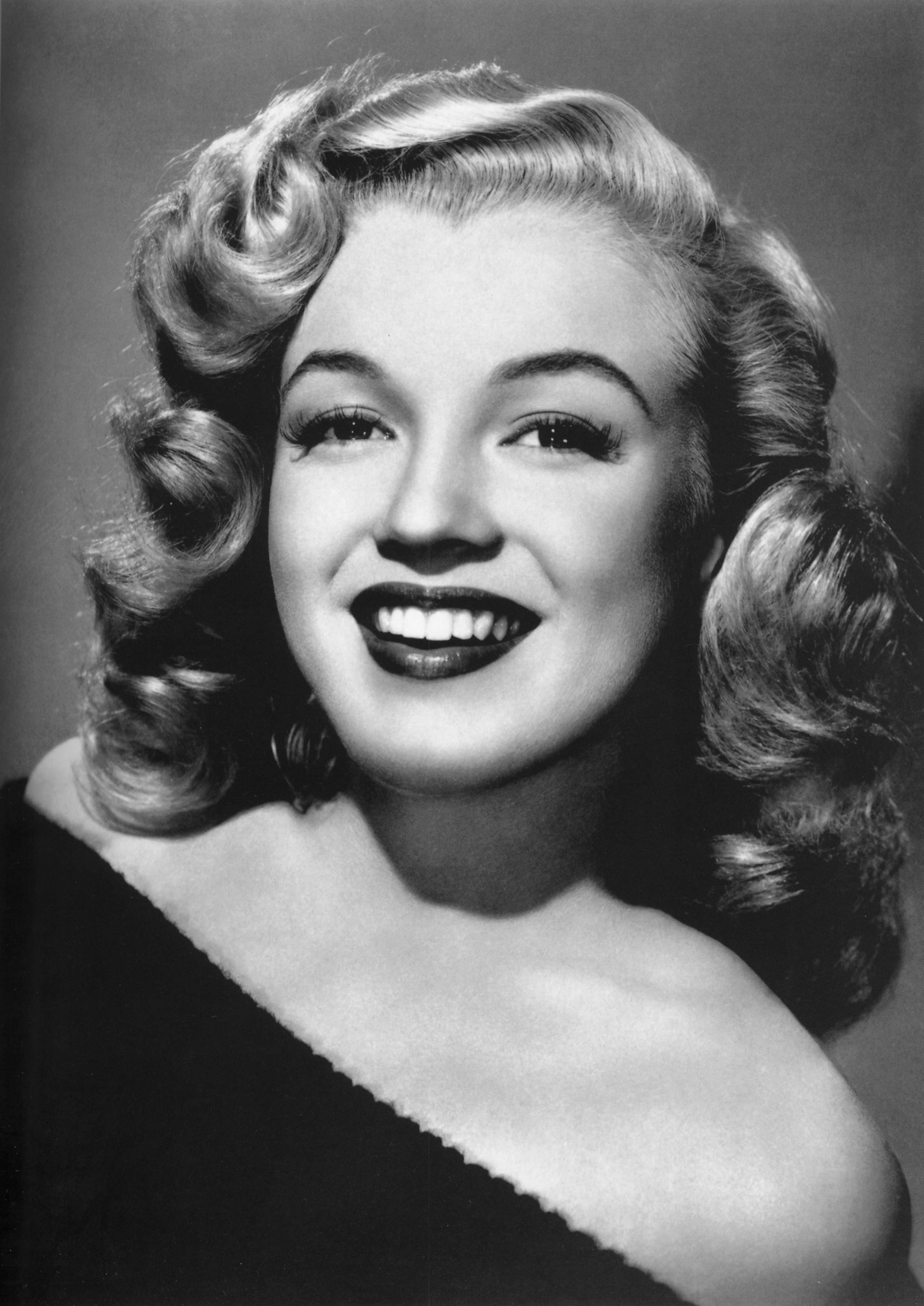
Childhood displacement
Her father was absent, while her mother’s serious mental illness made stable care impossible. After spending part of her childhood in an orphanage, she was moved repeatedly among foster homes and later recalled having lived with nine different families.
In 1942, shortly after her sixteenth birthday, she married James Dougherty when her guardians were preparing to move away. The marriage prevented her from being returned to the orphanage or placed with another foster family. It was not simply the culmination of a romantic dream, but a route out of the child-welfare system.
Health, treatment, and belonging
Her later marriages—to Joe DiMaggio and Arthur Miller—also failed to provide the enduring family life she desired. By 1960, physical illness, reproductive loss, depression, insomnia, medication use, and professional instability had become increasingly entangled.
Psychiatrist and psychoanalyst Ralph Greenson entered unusually deeply into her daily life and encouraged her to spend time with his family. The arrangement may initially have felt stabilizing, but it also risked making her increasingly dependent upon one person and his family. In an unequal therapeutic relationship, responsibility for maintaining professional boundaries remained with the clinician.
A struggle that reached the whole life
In 1962, illness, insomnia, medication use, inconsistent attendance, production problems, and conflict with Twentieth Century Fox became increasingly entangled. Monroe died at her Brentwood home from a barbiturate overdose on August 4, 1962. She was only thirty-six.
The insecurity left by childhood displacement gradually reached into her relationships, health, treatment, and career, until nearly every part of her life became part of the same struggle. She lost her life while still searching for the security and lasting sense of belonging that fame could never give her.
Interpretive note. This essay draws on publicly documented sources and offers historical and psychological interpretation, not retrospective clinical diagnosis.